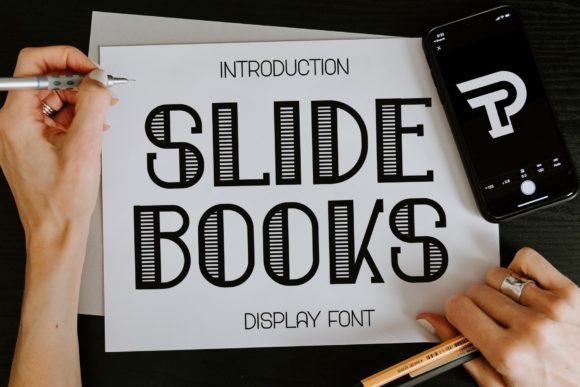
Slidebooks Font: Clean Display Type for Business Branding
As a small business owner, I know that every visual touchpoint matters. From the logo on my website header to the sticker sealing a package, typography communicates quality before a customer even reads a single word. Finding a typeface that balances personality with professionalism is often the hardest part of building a brand identity. This is where Slidebooks proves to be an invaluable asset. As a minimal and neat display font, it offers the distinct character needed for branding without sacrificing the clean aesthetic that modern consumers trust.
Slidebooks is not just another decorative font; it is a practical tool for entrepreneurs who need their marketing materials to look cohesive. Its design sits comfortably in the display category, meaning it is engineered to grab attention at larger sizes while maintaining excellent legibility. For those of us managing everything from product photography to social media captions, having a reliable creative font that works across multiple mediums saves time and ensures our brand looks intentional rather than accidental.
Elevating Product Packaging and Labels
Packaging is often the first physical interaction a customer has with a brand, and the typography chosen for labels sets the tone for the unboxing experience. Slidebooks excels in this environment because its neat construction prevents visual clutter on small surfaces. When designing product labels for handmade candles, artisanal soaps, or boutique skincare lines, readability is non-negotiable. A script font might look beautiful in a portfolio, but if customers cannot read the scent name or ingredients list quickly, it fails its primary function.
The minimal nature of Slidebooks allows it to serve as a strong headline on packaging without competing with essential regulatory text or product descriptions. For example, a coffee roaster could use Slidebooks for the blend name on the front of the bag, creating a premium feel that suggests craftsmanship. Meanwhile, the clean lines ensure that the font remains crisp when printed on textured paper or matte stickers. This versatility makes it an ideal choice for businesses that sell physical goods and need their shelf presence to stand out against competitors while remaining accessible and easy to read.
Creating Consistent Digital Marketing Assets
In the digital space, consistency builds recognition. When scrolling through Instagram or Pinterest, customers should instantly recognize your content based on color palette and typography alone. Slidebooks translates exceptionally well to screen-based media because its geometric clarity holds up even when scaled down for mobile viewing. Many expressive display fonts lose their impact or become pixelated on smaller devices, but Slidebooks maintains its integrity in social media thumbnails, story overlays, and digital ad banners.
For service providers like coaches, consultants, or photographers, using this typeface in quote graphics or promotional carousels adds a layer of sophistication. It avoids the overly casual vibe of handwritten fonts while steering clear of the sterile look associated with standard system fonts. By incorporating Slidebooks into Canva templates or custom social media kits, business owners can create a library of assets that feel unified. This visual cohesion signals to potential clients that the business is established and pays attention to detail, which is crucial for building trust in online transactions.
Practical Applications Across Business Touchpoints
Beyond packaging and social media, Slidebooks serves as a workhorse for various customer-facing materials. Its adaptability means you do not need to switch typefaces for different projects, which helps maintain a singular brand voice. Consider these practical applications for everyday business needs:
- Website Headers: Use Slidebooks for hero section headlines to create immediate visual interest without slowing down page load times with heavy imagery.
- Business Cards: The font’s neat structure allows for generous whitespace, making contact information appear organized and professional.
- Menus and Price Lists: For cafés and restaurants, Slidebooks provides enough personality to match the dining atmosphere while ensuring menu items are easily scannable during busy service hours.
- Thank-You Cards: Printed inserts included in orders benefit from this font’s friendly yet polished aesthetic, reinforcing brand appreciation.
- Email Signatures: While body text requires high readability, using Slidebooks for your name or business title in email footers adds a subtle branding touch.
Strategic Font Pairing for Professional Results
No font exists in a vacuum, and knowing how to pair Slidebooks is key to maximizing its effectiveness. Because it is a minimal display font, it acts as a perfect anchor for more utilitarian typefaces. The goal is to create hierarchy: Slidebooks draws the eye, and the supporting font delivers the information. For a modern, tech-forward brand, pairing Slidebooks with a clean sans serif font like Inter or Montserrat creates a sleek, contemporary look that works well for SaaS companies or digital agencies.
Conversely, for heritage brands, bakeries, or lifestyle boutiques, pairing Slidebooks with a classic serif font can evoke warmth and tradition. The contrast between the neat display style and the structured serif creates a balanced composition that feels both curated and approachable. When designing flyers or brochures, use Slidebooks strictly for titles and subheads, reserving the body copy for highly readable text fonts. This restraint ensures that the display font retains its power; if everything is loud, nothing is heard. Testing these combinations in mockups before finalizing brand guidelines is always recommended to ensure the mood aligns with your target audience.
Understanding Licensing and Commercial Use
One aspect of typography that many new entrepreneurs overlook is licensing. Using a font commercially involves legal considerations that protect both the designer and the business owner. Before deploying Slidebooks across merchandise, client work, or digital downloads, it is vital to verify the specific license terms. A personal desktop license typically does not cover commercial activities such as selling products with the font embedded in the label design or creating templates for sale on marketplaces like Etsy or Creative Market.
Investing in the correct commercial license is a business expense that safeguards your brand against future legal issues. It also supports the type designers who create these valuable assets. When budgeting for brand identity, factor in the cost of proper font licensing alongside logo design and photography. Viewing fonts as licensed business assets rather than free commodities shifts the mindset toward long-term brand sustainability. Always check the foundry’s documentation to confirm whether webfont licenses, app licenses, or extended commercial licenses are required for your specific use case.
Testing for Readability and Brand Alignment
While Slidebooks is designed to be neat and minimal, every brand has unique requirements. Before committing to a full rebrand, conduct practical readability tests. Print out sample labels at actual size to ensure the letterforms remain distinct when reduced. View website mockups on both desktop monitors and smartphone screens to check for rendering issues. Ask friends or loyal customers for feedback on whether the font conveys the intended emotion. Does it feel too corporate for a playful children’s brand? Is it too delicate for a rugged outdoor gear company?
Typography is subjective, but business typography must be functional. Slidebooks offers a fantastic starting point for brands seeking a blend of style and substance. Its ability to adapt to logos, packaging, and digital content makes it a versatile investment for growing businesses. By focusing on practical application and strategic pairing, entrepreneurs can leverage this display font to build a recognizable, trustworthy, and professionally consistent brand identity that resonates with customers across every interaction.